

Hair Growth Diet and Oils: Your Evidence-Based Guide
You’ve tried the expensive shampoos. You’ve taken the biotin gummies. And yet your hair still feels thinner than you’d like, grows slower than it should, or breaks before it gets anywhere near the length you want. The good news is that a targeted hair growth diet and oils approach, one grounded in actual science rather than marketing, can make a real difference. Not overnight. Not with one magic product. But with the right nutrients fueling your follicles and the right oils supporting your scalp, you give your hair the environment it needs to thrive.
Table of Contents
- Key takeaways
- Hair growth diet and oils: what your follicles actually need
- Foods that actually deliver results
- The most effective oils for hair growth
- Building a realistic hair growth plan
- Common myths and mistakes that slow your progress
- My honest take on managing hair growth expectations
- Support your hair goals with Lindycosmetics
- FAQ
Key takeaways
| Point | Details |
|---|---|
| Nutrition drives follicle function | Hair follicles need protein, iron, zinc, and vitamins to produce healthy strands consistently. |
| Rosemary oil has clinical backing | A randomized trial showed rosemary oil matched 2% minoxidil in hair count at 6 months. |
| Coconut oil protects, not regrows | Coconut oil reduces protein loss by up to 39%, making it a protective treatment, not a regrowth cure. |
| Biotin only works if you’re deficient | Supplementing biotin without a confirmed deficiency has no proven benefit for hair growth. |
| Results take 3 to 6 months | Hair growth improvements from diet and oils follow the natural hair cycle and require consistent effort over time. |
Hair growth diet and oils: what your follicles actually need
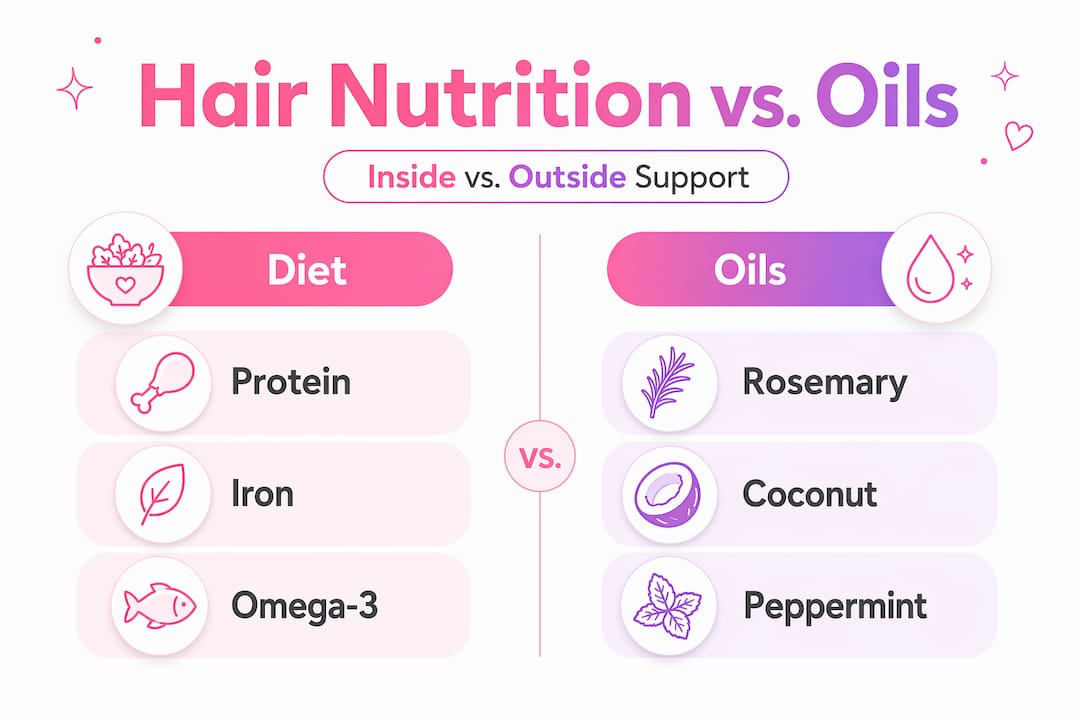
Your hair follicles are among the most metabolically active structures in your body. They divide rapidly, produce keratin continuously, and demand a steady supply of nutrients to do their job. When that supply drops, even temporarily, the follicle can shift into a resting phase and stop producing hair. That’s why nutritional deficiencies impair hair production and cause thinning or breakage that no topical product can fully reverse.
The nutrients your hair follicles depend on
Here’s what your hair biology actually requires:
- Protein: Hair is made almost entirely of keratin, a structural protein. Without enough dietary protein, your body deprioritizes hair production. Aim for at least 50 to 60 grams daily, more if you’re active.
- Iron: Low ferritin (stored iron) is one of the most common and overlooked causes of hair thinning, especially in women. Iron carries oxygen to the follicle. Without it, growth stalls.
- Zinc: Supports the oil glands around follicles and plays a role in protein synthesis. Deficiency causes shedding and slowed regrowth.
- Vitamins A and C: Vitamin A supports sebum production, which naturally conditions the scalp. Vitamin C aids collagen synthesis and helps absorb plant-based iron.
- B-complex vitamins: Biotin, niacin, and folate all contribute to cell metabolism in the follicle. Biotin gets the most attention, but the whole B family matters.
- Vitamin D: Low levels are linked to hair follicle cycling issues. Many people are deficient without knowing it.
- Omega-3 and omega-6 fatty acids: These essential fatty acids for hair reduce scalp inflammation and support follicle cell membranes.
A 2026 review published in Cosmetics found that nutritional macromolecules like collagen and keratin building blocks are clinically linked to improved hair density, tensile strength, and reduced shedding. That’s the science behind why dietary changes for hair health work when they’re targeted and consistent.
Pro Tip: Before spending money on supplements, ask your doctor to test your ferritin, vitamin D, and zinc levels. Deficiencies are common and cheap to fix through food or targeted supplementation once confirmed.
Foods that actually deliver results
Knowing which nutrients matter is one thing. Getting them consistently from food is another. The good news is that a hair-healthy diet doesn’t require exotic ingredients. It requires variety and intention.
The best food sources for hair health
| Food | Key nutrients | Best use |
|---|---|---|
| Salmon, mackerel, sardines | Protein, omega-3 fatty acids, vitamin D | 2 to 3 servings per week |
| Eggs | Protein, biotin, vitamin D, selenium | Daily or several times per week |
| Spinach, kale, lentils | Iron, folate, zinc, vitamin C | Daily in meals or smoothies |
| Walnuts, flaxseeds, pumpkin seeds | Omega-3, omega-6, zinc, vitamin E | As snacks or salad toppings |
| Sweet potatoes, carrots | Beta-carotene (converts to vitamin A) | Several times per week |
| Whole grains (oats, brown rice) | B vitamins, zinc, iron | As base for meals |
| Citrus fruits, bell peppers | Vitamin C | Daily to boost iron absorption |
Fatty fish like salmon and mackerel are particularly valuable because they deliver both protein and omega-3 fatty acids in one serving. Dermatologists consistently rank them among the top foods for hair growth because they address multiple nutrient needs at once.
Eggs deserve special mention. One egg gives you complete protein, biotin, and vitamin D. They’re also one of the few foods that naturally contain selenium, a mineral that protects follicles from oxidative stress. If you’re eating a mostly plant-based diet, pair your iron-rich legumes with vitamin C sources at every meal. The combination significantly increases how much iron your body actually absorbs.
The most effective oils for hair growth
Oils work differently than diet. They don’t feed your follicles from the inside. Instead, they support the scalp environment, reduce mechanical damage, and in some cases, directly stimulate follicle activity. Understanding what each oil actually does prevents disappointment and helps you use them correctly.
Rosemary oil
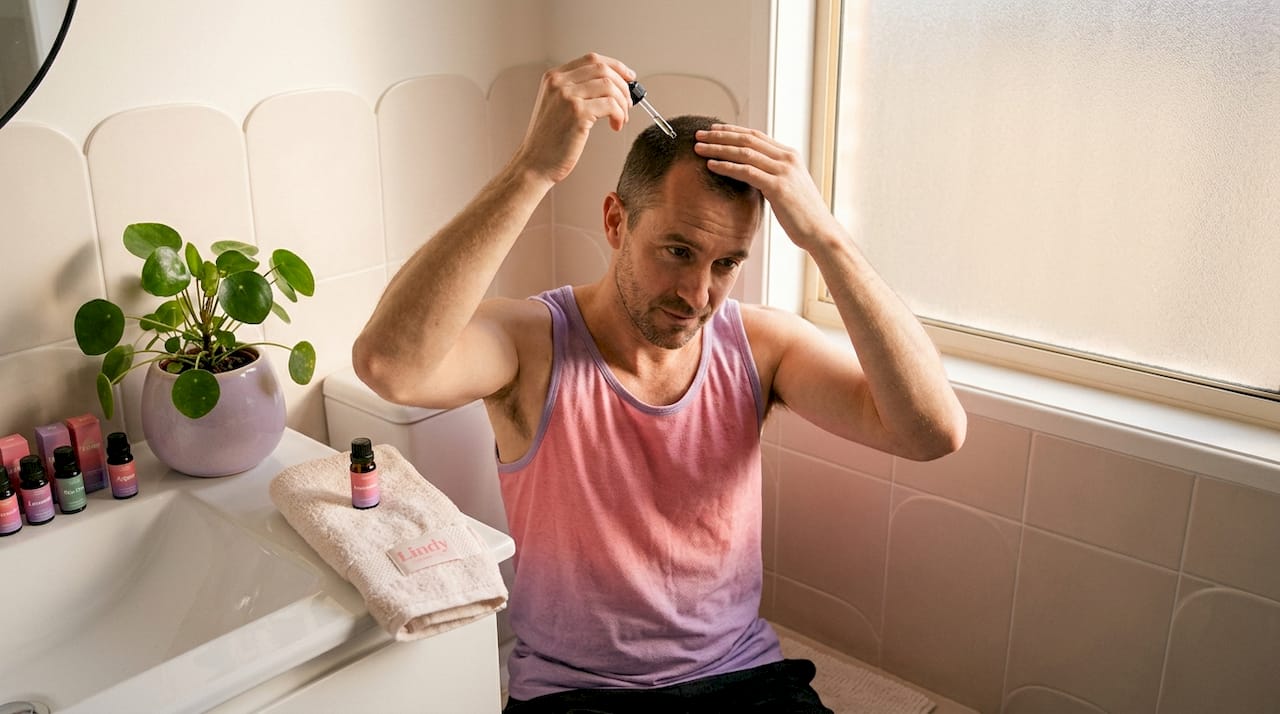
Rosemary oil is the most scientifically validated natural oil for hair growth. In a randomized controlled trial, rosemary oil matched 2% minoxidil in hair count increase at 6 months, with significantly less scalp itching. It works by improving scalp circulation and blocking DHT, the hormone responsible for follicle miniaturization in androgenetic alopecia. Apply diluted rosemary oil (2 to 3 drops in a carrier like jojoba or coconut oil) directly to the scalp and massage for 5 minutes before washing. The Lindycosmetics rosemary oil formula is formulated for direct scalp application with the correct concentration.
Coconut oil
Coconut oil’s primary strength is protection, not regrowth. Studies show it reduces hair protein loss by up to 39% when used as a pre-wash treatment. Its small molecular structure allows it to penetrate the hair shaft and bind to keratin proteins, reducing the swelling and friction that cause breakage. Use it 30 to 60 minutes before shampooing, focusing on mid-lengths and ends. Don’t expect it to regrow hair, but expect noticeably less breakage and stronger strands over time.
A quick comparison of the best oils for hair growth
| Oil | Primary benefit | Best application method | Evidence level |
|---|---|---|---|
| Rosemary oil | Stimulates follicle activity, blocks DHT | Diluted scalp massage pre-wash | High (RCT) |
| Coconut oil | Reduces protein loss and breakage | Pre-wash treatment on lengths | High (clinical) |
| Peppermint oil | Increases scalp circulation | Diluted scalp massage | Moderate |
| Jojoba oil | Mimics sebum, balances scalp | Carrier oil or leave-in | Moderate |
| Amla oil | Antioxidant protection, strengthens | Scalp and length treatment | Low to moderate |
| Tea tree oil | Reduces dandruff and scalp inflammation | Diluted, scalp only | Moderate |
One important note: topical oils improve scalp condition and reduce dryness but are not effective standalone treatments for pattern hair loss driven by genetics. They work best alongside dietary support and, when needed, medical treatment.
Pro Tip: Always dilute essential oils like rosemary and peppermint in a carrier oil before applying to your scalp. Undiluted essential oils can cause contact dermatitis and make scalp inflammation worse, which is the opposite of what you want.
Building a realistic hair growth plan
Combining diet and oils into a plan that actually works requires structure and patience. Here’s how to approach it step by step.
- Assess your current diet. Before adding supplements, look honestly at what you eat in a week. Are you getting enough protein? Eating iron-rich foods regularly? If your diet is low in variety, that’s your starting point.
- Get tested for deficiencies. Ask your doctor to check ferritin, vitamin D, and zinc. The Cleveland Clinic recommends testing before high-dose supplementation to avoid harmful overdosing, particularly with vitamin A.
- Incorporate hair-healthy foods daily. Add one or two servings of fatty fish per week, eat eggs several times a week, and make leafy greens a regular part of your meals. Small, consistent changes beat dramatic overhauls you can’t sustain.
- Choose two or three oils and use them consistently. Rosemary oil for scalp stimulation and coconut oil for pre-wash protection is a strong starting combination. Browse the hair growth oils collection at Lindycosmetics to find formulas that match your hair type and goals.
- Apply oils on a schedule. Two to three times per week is enough for most people. More frequent application won’t speed up results and can cause buildup.
- Track your progress with photos. Take photos in the same lighting every four weeks. Hair grows about half an inch per month, so changes are subtle. Photos make them visible.
- Give it at least three to six months. The rosemary oil trial showed measurable results at 6 months. Minor shedding reduction appeared at 3 months. This is the realistic timeline for any diet and oil intervention.
Pro Tip: Don’t layer too many new products or foods at once. If you change five things simultaneously and something works, you won’t know what helped. Add one dietary change and one oil at a time, then evaluate.
Common myths and mistakes that slow your progress
Even well-intentioned people make errors that undermine their results. Here are the most common ones:
- Biotin will fix your hair. A systematic review of biotin supplementation found insufficient evidence for its use in hair loss unless a deficiency is confirmed. Biotin’s popularity far exceeds its scientific support for the average person.
- More oil means faster growth. Applying oil daily or leaving it on for days doesn’t accelerate growth. It clogs follicles and can cause scalp irritation. Stick to a consistent, moderate routine.
- Results should appear in weeks. Hair growth follows a biological cycle. Expecting visible regrowth in two to four weeks leads to frustration and abandoning routines that would have worked with more time.
- Oils can reverse genetic hair loss. Different hair loss types respond differently to oils. Oils won’t reverse follicle miniaturization from female or male pattern hair loss. They support scalp health and reduce breakage, which is genuinely useful, but it’s not the same as regrowing miniaturized follicles.
- Ignoring underlying causes. Hormonal imbalances, chronic stress, thyroid dysfunction, and autoimmune conditions all cause hair loss that diet and oils alone cannot address. If your shedding is sudden, severe, or worsening, see a dermatologist before adjusting your grocery list.
My honest take on managing hair growth expectations
I’ve spent years working with hair care formulations and talking with people who are frustrated by slow progress. The single biggest mistake I see is treating hair growth like a sprint when it’s a marathon with biological speed limits.
What I’ve learned is that most people who “failed” with diet and oils didn’t fail because the approach doesn’t work. They failed because they didn’t identify the actual cause of their hair loss first. Oils hydrate and improve scalp condition, but they won’t reverse follicle miniaturization typical in female pattern hair loss. A diet rich in iron and omega-3s will genuinely help someone who is iron deficient. It won’t help someone whose shedding is driven by a thyroid condition.
My honest recommendation: start with a blood test, not a shopping cart. Once you know what’s actually going on, you can build a plan that addresses the real problem. Then, combine targeted nutrition with a consistent oil routine and give it six months of honest effort. The people I’ve seen get real results are the ones who committed to the process without expecting shortcuts.
The combination of a strong hair growth diet and oils that suit your scalp type is genuinely one of the most effective natural approaches available. It just works on biology’s timeline, not yours.
— Lindy
Support your hair goals with Lindycosmetics

If you’re ready to pair your dietary changes with oils that are actually formulated for results, Lindycosmetics has you covered. The product range includes scientifically informed formulas built around ingredients like rosemary, batana oil, and chebe oil. These aren’t generic blends. They’re rooted in cultural tradition and modern hair science. Explore the full hair oils collection to find the right match for your hair type, or go straight to the hair growth oils category if stimulating growth is your primary goal. Pair consistent oil use with the dietary habits from this guide and you’ll give your hair the best possible foundation for real, lasting improvement.
FAQ
What is the best diet for hair growth?
A diet rich in protein, iron, omega-3 fatty acids, and vitamins A, C, D, and B-complex supports healthy hair growth. Foods like salmon, eggs, leafy greens, and nuts consistently rank among the top choices recommended by dermatologists.
Which oil is most effective for hair growth?
Rosemary oil has the strongest clinical evidence, matching 2% minoxidil in a randomized controlled trial for androgenetic alopecia at 6 months with fewer side effects. Coconut oil is the best choice for reducing breakage and protecting hair protein.
Does biotin actually help hair grow faster?
Biotin only benefits hair growth when you have a confirmed deficiency. A systematic review found insufficient evidence to support routine biotin supplementation for hair loss in people with normal biotin levels.
How long does it take to see results from diet and oils?
Most people see meaningful changes between 3 and 6 months of consistent use. The rosemary oil clinical trial showed minor shedding reduction at 3 months and significant hair count increases at 6 months.
Can I use hair oils every day?
Daily oil application is not necessary and can cause scalp buildup. Two to three times per week is the recommended frequency for most oils, applied to the scalp or lengths depending on the oil type.